


Your house rules, too. It follows the AGENTS.md or CLAUDE.md in your project.
Code
Ship what
you meant.
Dvina writes code in your project, on your computer, with the notes, the threads and the reasons in view.

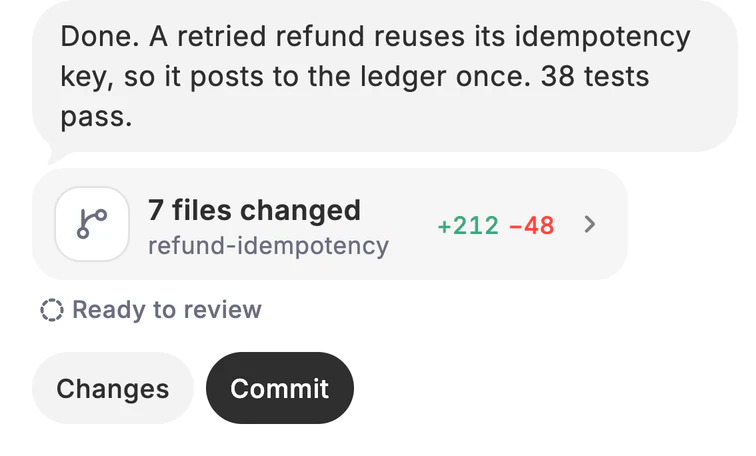
We built Dvina
with Dvina.
The app on your phone, the desktop app and this website: written, reviewed and committed in Dvina, one turn at a time.
From a weekend app to the payments core.

A route log for the climbing gym.

The ledger migration, checked twice.

The pantry’s shift sign-up.

A frame-rate fix before launch.

The station’s show schedule.
In full context
It read
the notes first.
The director’s notes say teens can’t take loading-dock shifts. Dvina read them before it wrote the sign-up rule, so the app does what she asked.

Last month counts. It searches your past chats and files, so the reasons come along.
Tasks, together
They work
it out.
Three tasks on one repo decide who commits first and who rebases after. You never have to referee.


One Chat
Ship it
from the chat.
Each task’s answer comes back with its changes. Review them, commit, and open the pull request right there.


Review
Change
your mind.
Every turn shows the files it changed. Take one back, and the work you did since stays.
Yours to approve.
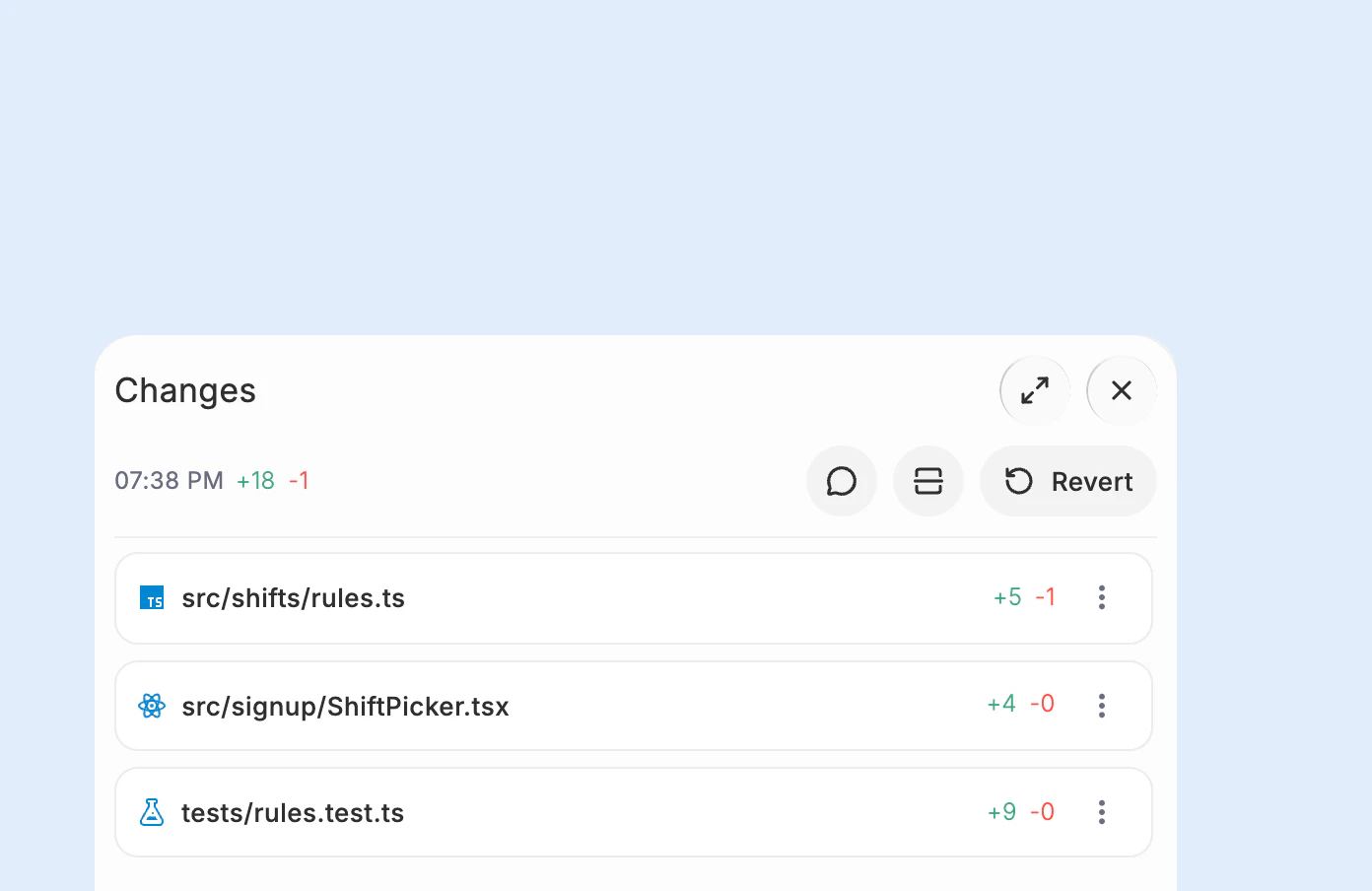
Every change, file by file.
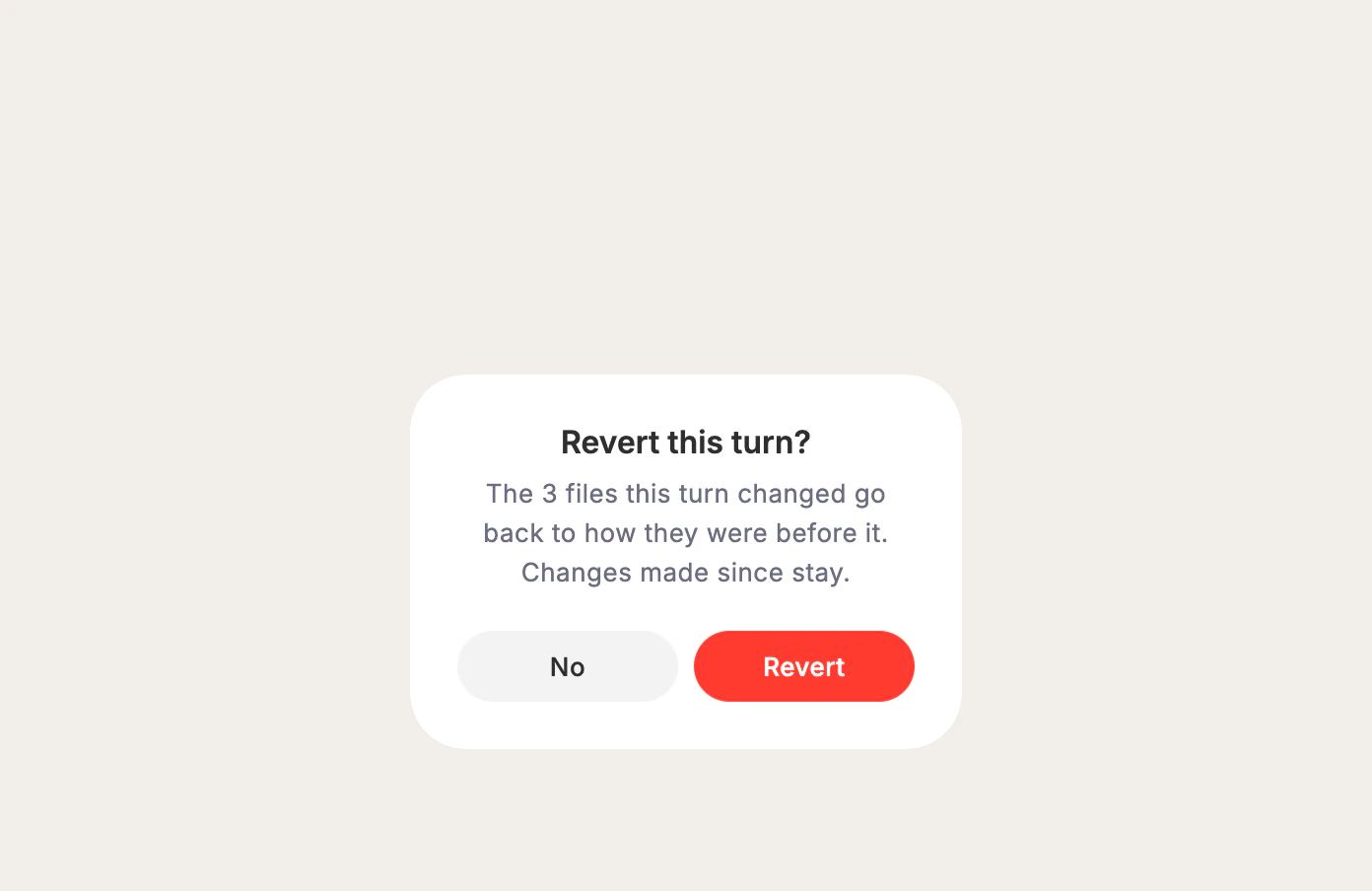
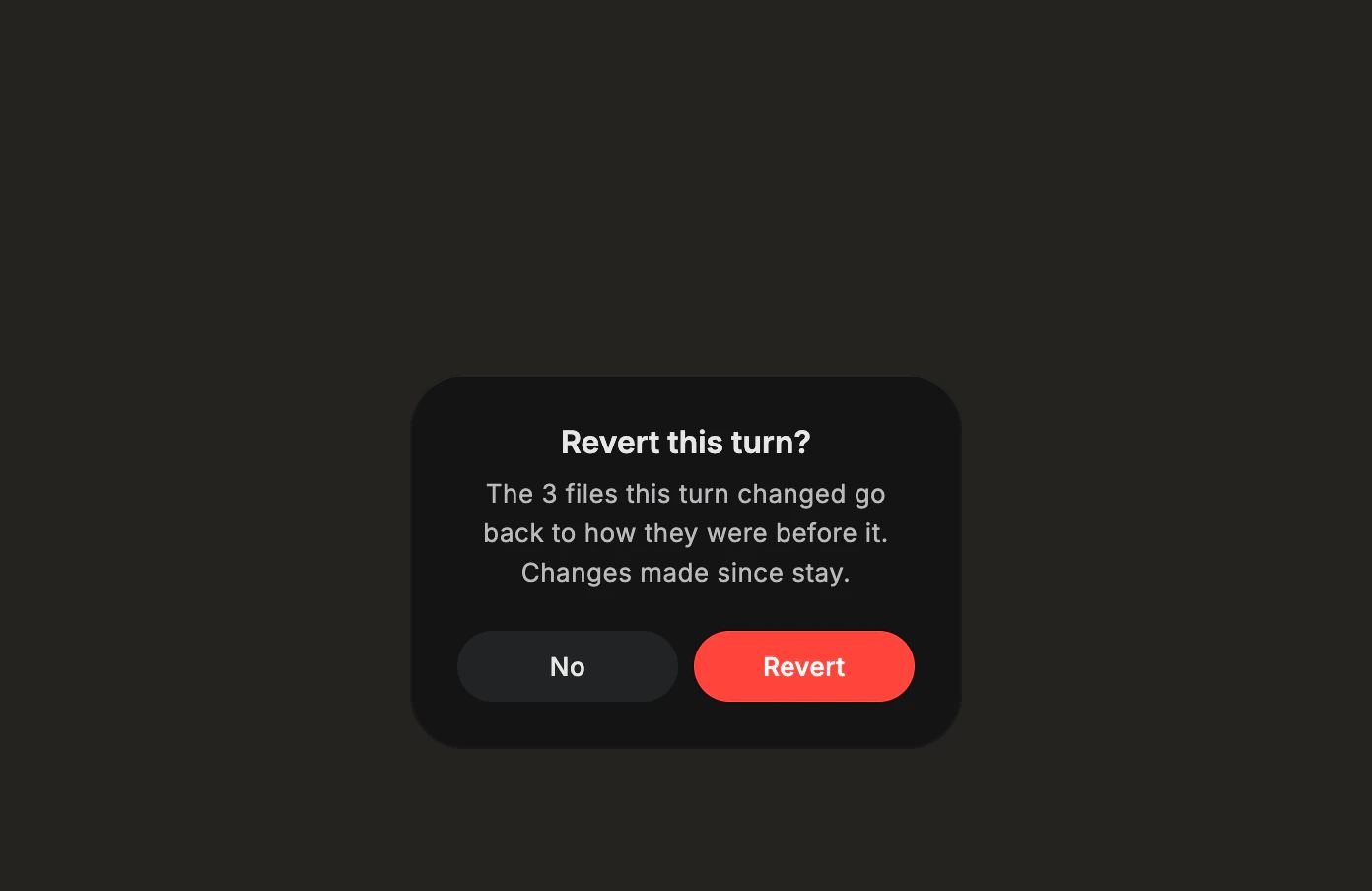
Take back one turn.
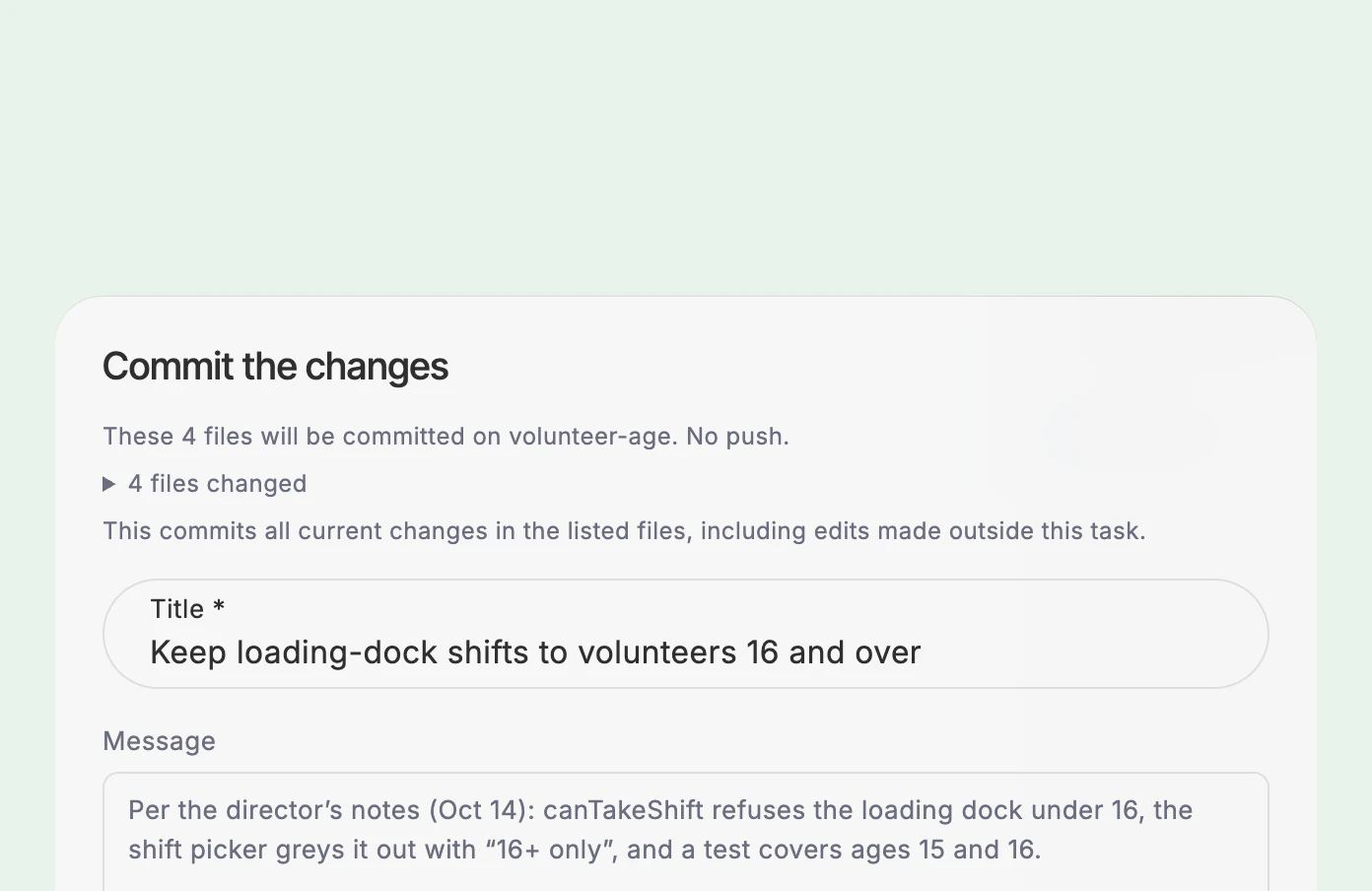
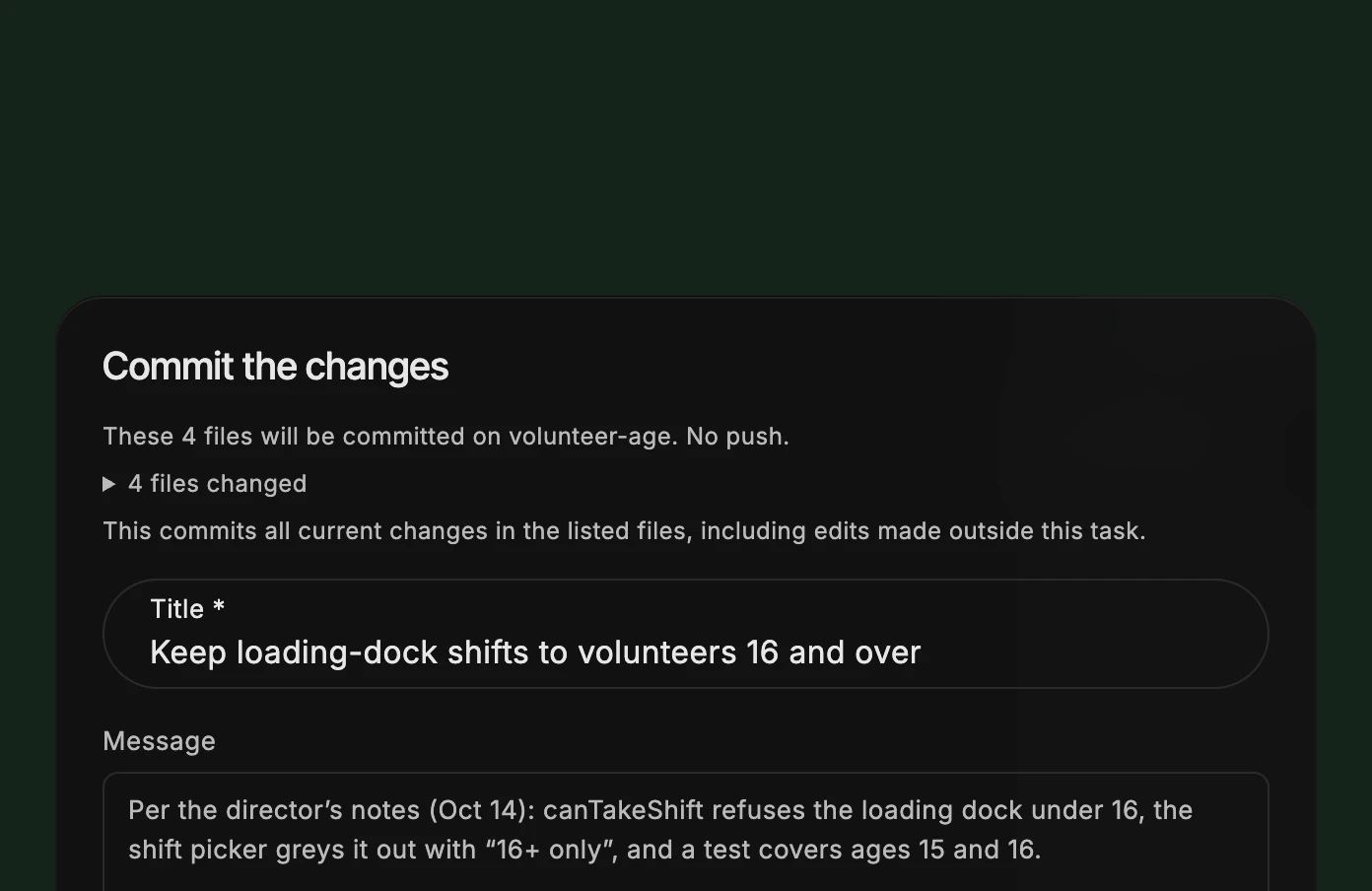
Commit on your branch.
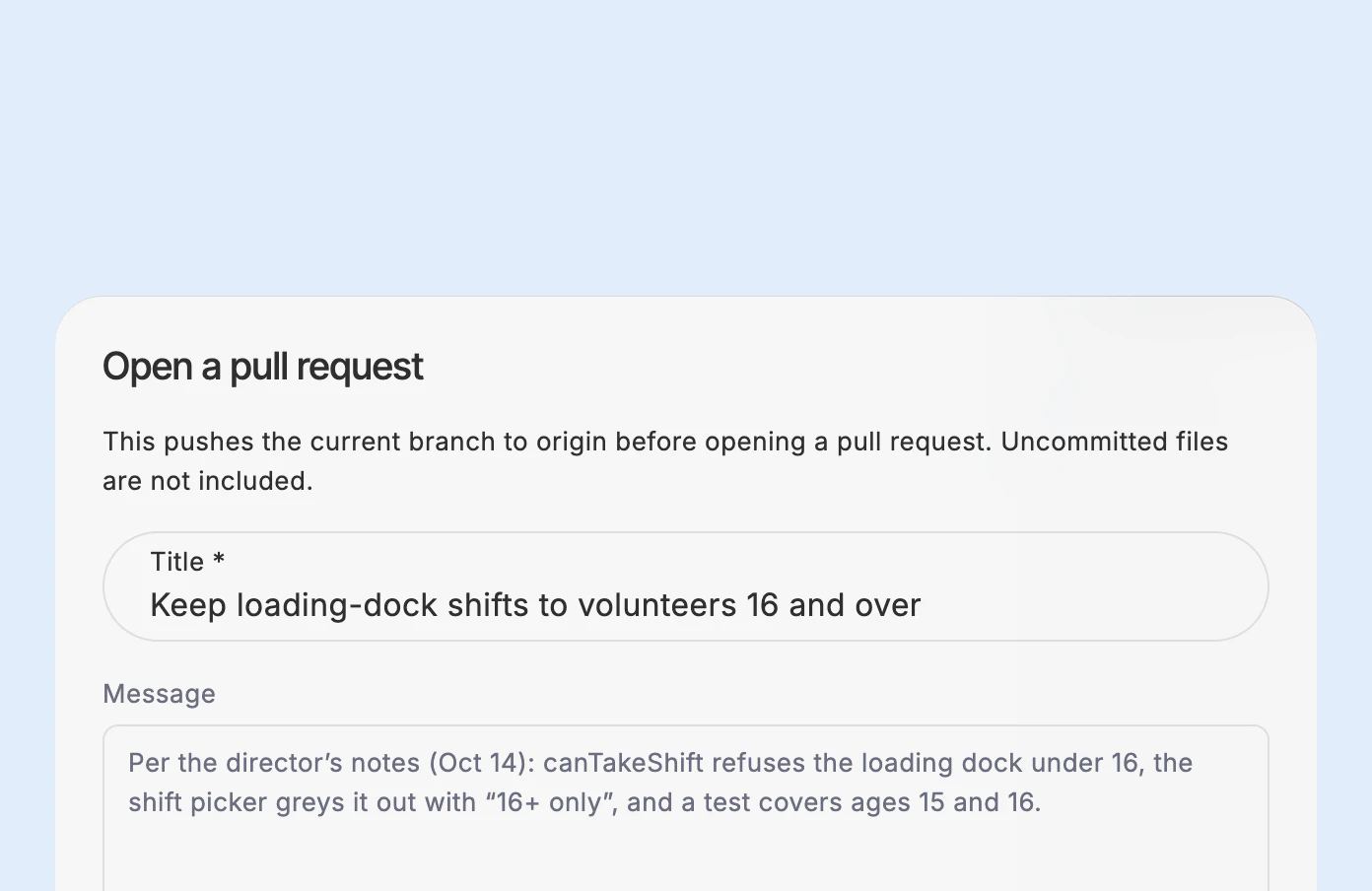
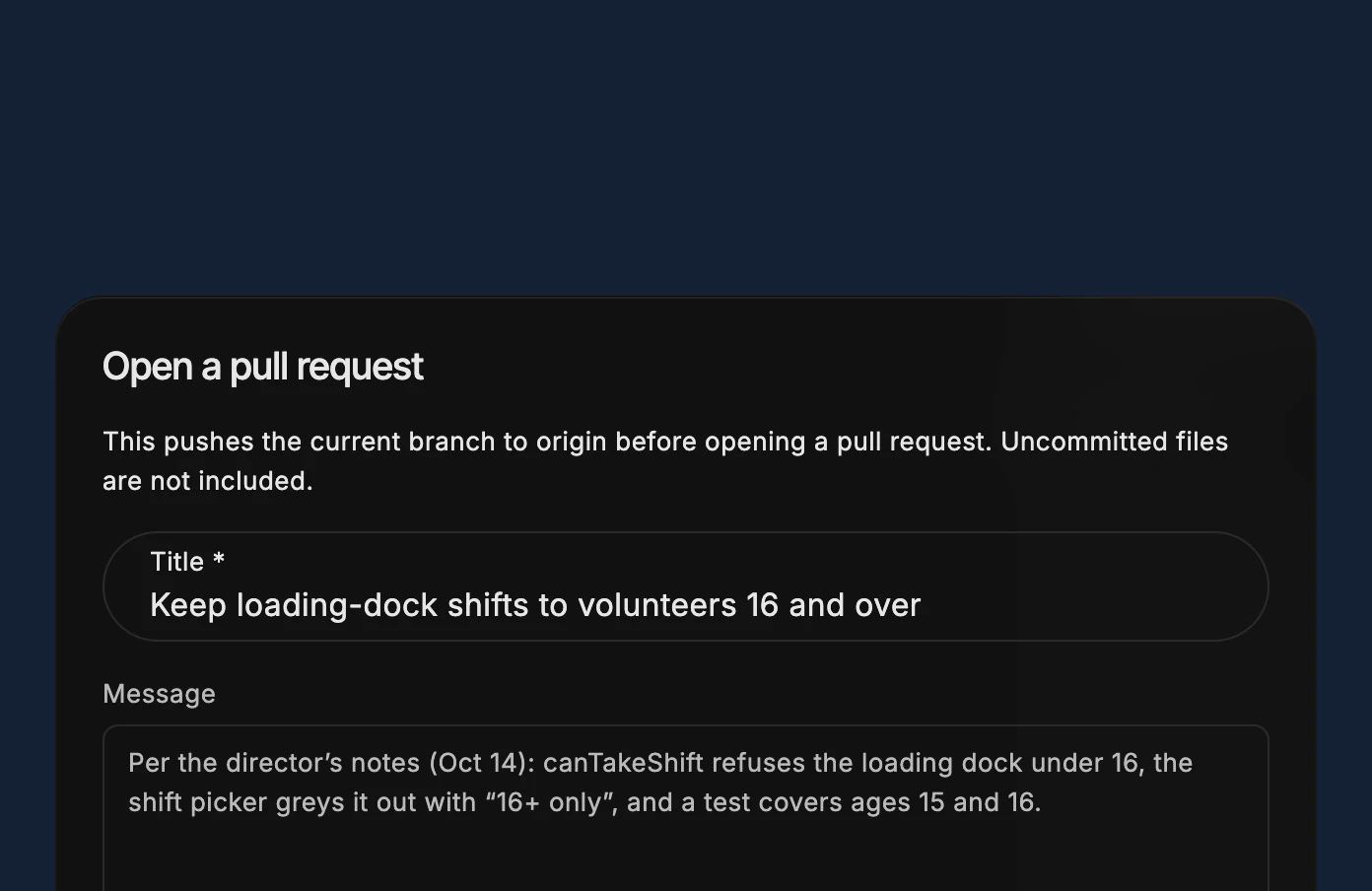
Open the pull request.
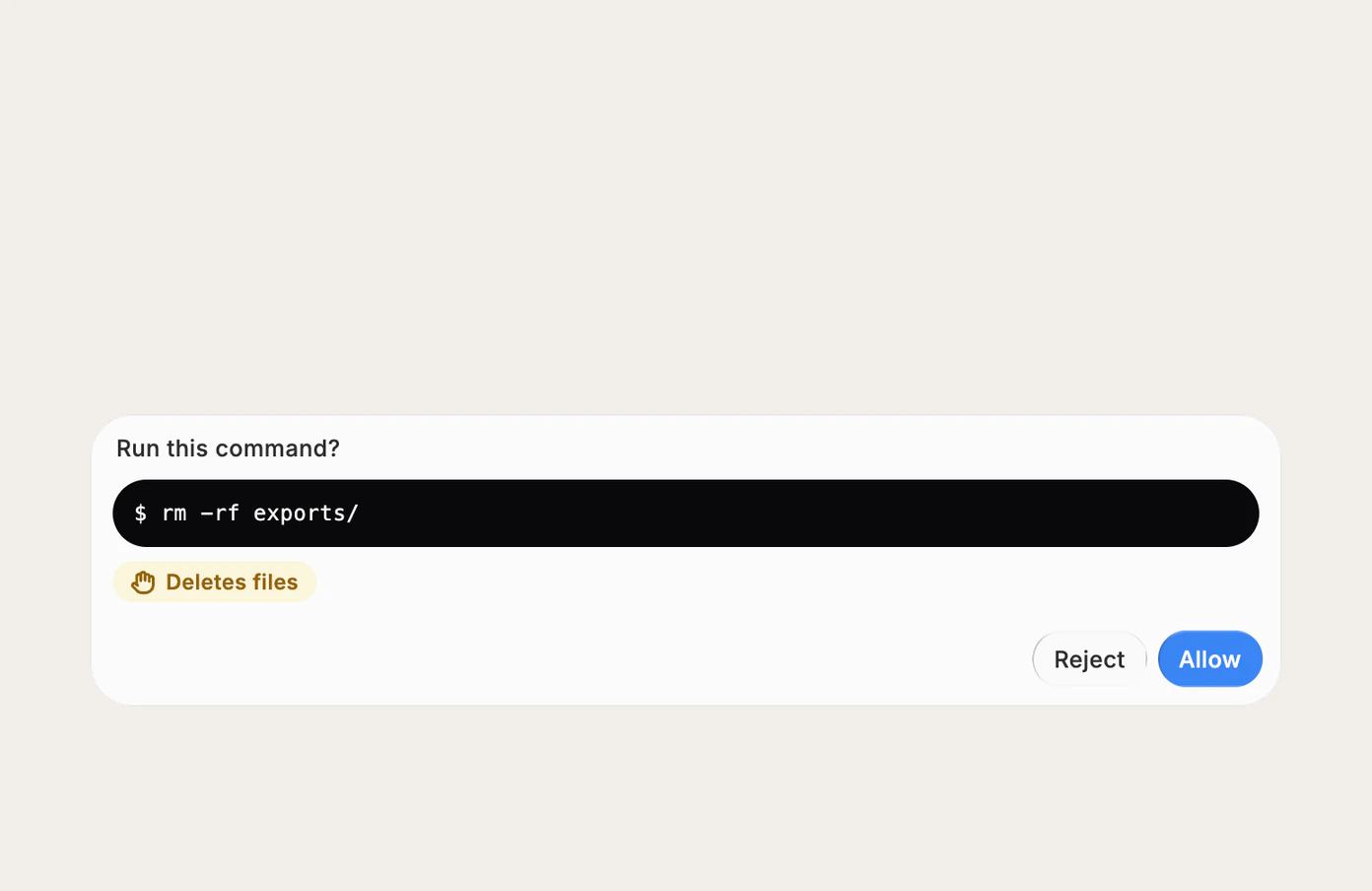
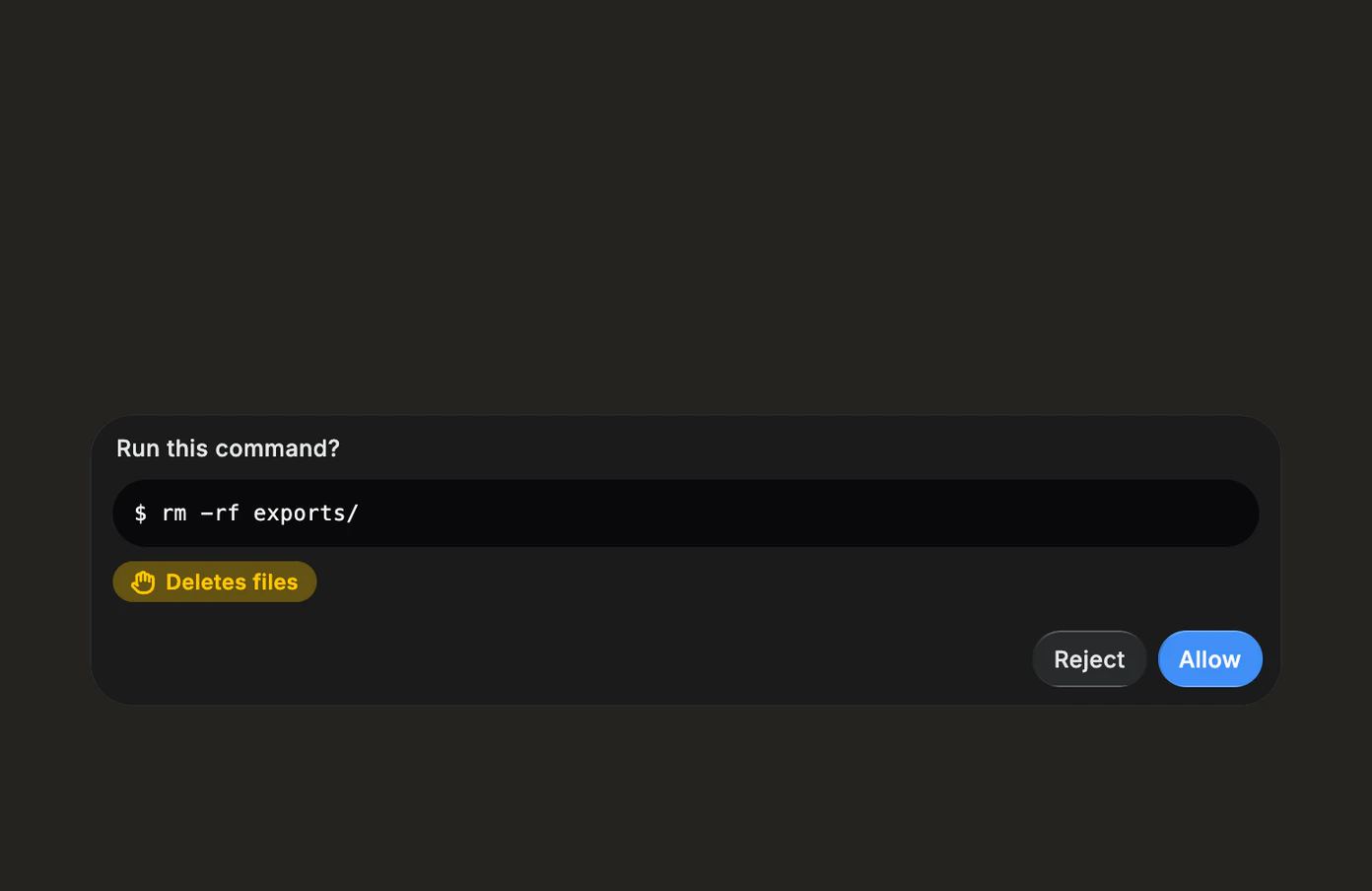
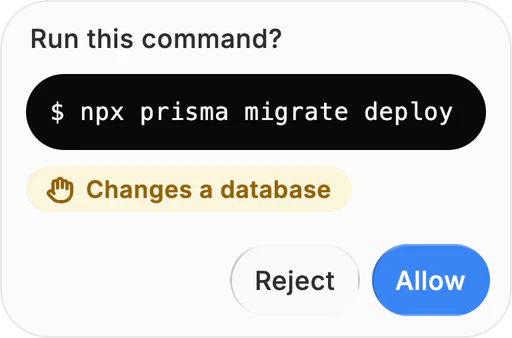
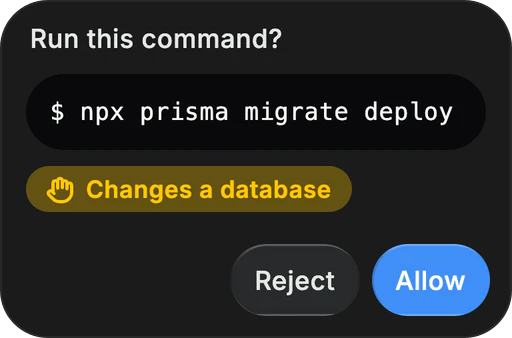
Risky commands wait.


Guardrails
Careful where
it counts.
Migrations, deploys, pushes and secrets wait for your OK. Your admin can set how much always asks.

From anywhere
Ask from
the stands.
Between periods, you ask for the CSV export fix. Dvina works on it in the project on your computer at home, and the changes wait for your review.Your computer needs to be on, with Dvina open.

Nothing is pushed
until you say so.
Your project is a folder on your computer, and with Git every edit Dvina makes can be undone. Approvals are on by default, and you choose how much asks.
Bring Dvina to your repo.
Code needs Dvina on at least one computer. Every other device can start the work and follow it.
Keep exploring.

Questions? Answers.
Is this an IDE?
No. It’s Dvina. You describe, review and ship in the same app you use for everything else. Your editor stays your editor; Dvina does the understanding.
Do I need to install something separate?
No. Code is part of the Dvina desktop app, the same one that holds your documents, your chats and your memory.
Does it work with my existing projects?
Yes. Open a folder on your computer as a project, and Dvina reads it alongside the docs and decisions around it.
How does the pull request reach GitHub or GitLab?
Through your own Git sign-in. Dvina pushes your branch and opens the pull request on GitHub or GitLab; any other host opens its own new pull request page.
What runs without asking?
Builds and tests just run. Deleting files, pushing, database changes, deploys and anything touching secrets wait for your OK, and you choose how much asks.
Can non-developers use it?
For working apps and pages, they don’t need to: that’s Create. Code is for when you’re working on real software and want the whole story behind you.